
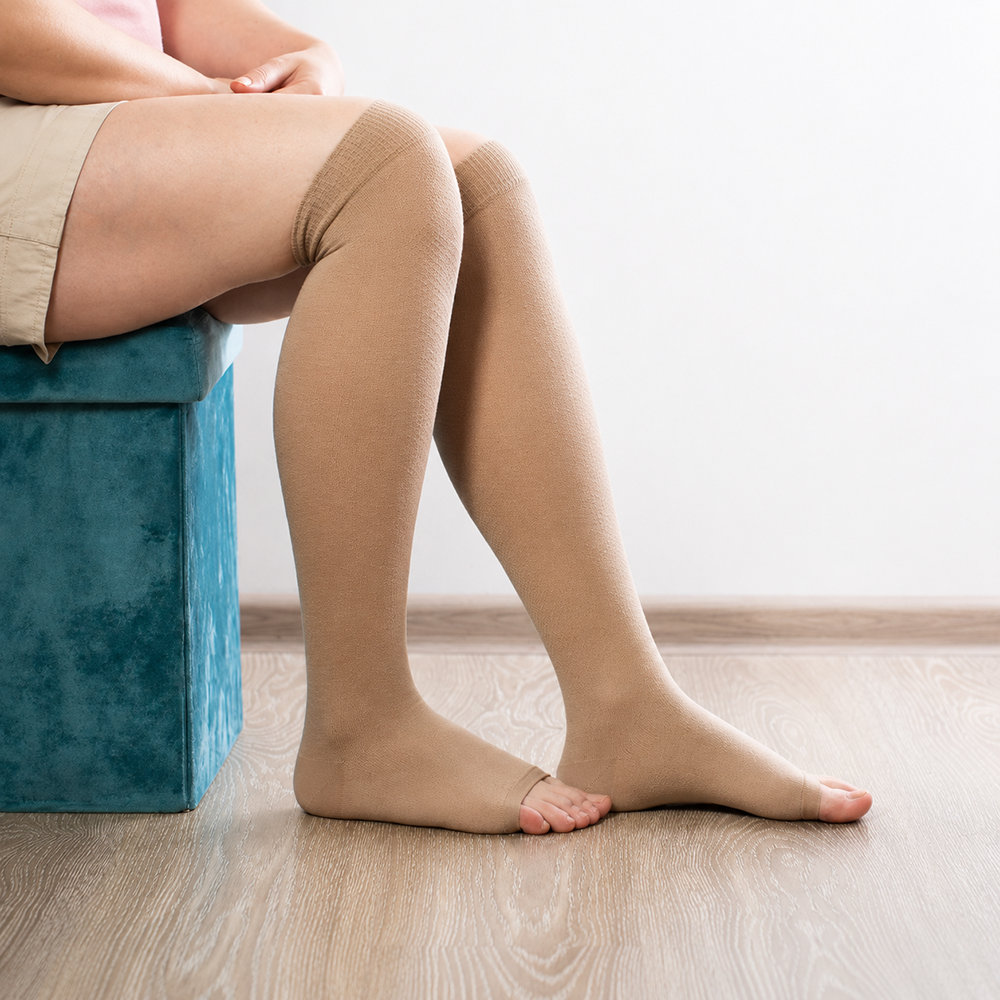
Lymphedema causes swelling — usually in an arm or leg — that does not go away on its own. It happens when the lymphatic system, which drains excess fluid from your tissues, is damaged or blocked. This is most often seen after cancer treatment that involves lymph node removal, but it can also happen after infections or trauma. There is no cure for lymphedema, but with the right management it can be well-controlled so it does not run your life.
Types of Lymphedema
Primary lymphedema results from congenital abnormalities in the lymphatic system and may present at birth, during puberty (lymphedema praecox), or in adulthood. Secondary lymphedema — far more common — develops after damage to the lymphatic system from surgery (particularly cancer surgery with lymph node removal), radiation therapy, infection (filariasis in tropical regions), trauma, or chronic venous disease.
Lymphedema Symptoms
Lymphedema presents as a persistent, pitting or non-pitting swelling of an extremity that does not fully resolve with elevation. Early-stage swelling is soft and reversible; over time the tissue becomes fibrotic and harder. Patients experience a feeling of heaviness, tightness, or fullness in the affected limb, reduced range of motion, aching, and recurrent skin infections (cellulitis) — which further damage the lymphatics and worsen swelling.
Lymphedema Diagnosis
Diagnosis is primarily clinical, based on the history and physical examination. Imaging with lymphoscintigraphy or indocyanine green (ICG) lymphography can map lymphatic flow and identify areas of obstruction or dysfunction. Differentiating lymphedema from venous edema (such as DVT or chronic venous insufficiency) is important, as the treatments differ significantly.
Lymphedema Management in Sarasota & Bradenton
The cornerstone of lymphedema treatment is Complete Decongestive Therapy (CDT) — a comprehensive program combining manual lymphatic drainage (MLD) massage, multilayer compression bandaging, therapeutic exercise, and meticulous skin care. Certified lymphedema therapists guide patients through an intensive treatment phase followed by a maintenance phase using compression garments. Our vascular team coordinates with lymphedema therapists throughout Sarasota and Bradenton to ensure integrated care.