
Dr. Steven Silverman retired as of March 2026. Drs. Ulloa and Arosemena of Vascular Wellness Institute are now available and taking new patients. Same office, same friendly faces, and a new lens on your vascular care!

Medically Reviewed By:

2026-05-01

Carotid Artery Disease

Also Known As: stenosis
Carotid artery disease is atherosclerotic narrowing (stenosis) of the carotid arteries — the major arteries on each side of the neck that supply the brain with oxygenated blood. It is one of the most common and preventable causes of ischemic stroke, responsible for approximately 10–15% of all strokes in the United States. Early detection and treatment can reduce stroke risk by 50% or more.

How Carotid Disease Causes Stroke

Stroke from carotid disease occurs by two mechanisms. First, a piece of plaque or a small clot can break off from the diseased artery wall and travel to the brain, blocking a blood vessel and causing sudden stroke or transient ischemic attack (TIA — a brief ‘mini-stroke’). Second, a severely narrowed carotid artery can reduce blood flow to the brain below the threshold needed to sustain brain tissue. Both mechanisms are preventable with timely intervention.

Carotid Disease Symptoms

Many patients with carotid disease have no symptoms — their stenosis is discovered incidentally on imaging or during screening. When symptoms occur, they include transient ischemic attacks (TIAs): brief episodes of one-sided face or arm weakness, speech difficulty, or sudden vision loss in one eye (amaurosis fugax) that resolve within 24 hours. A TIA is a medical emergency and a warning that a major stroke is imminent without treatment.

Diagnosing Carotid Disease in Sarasota & Bradenton

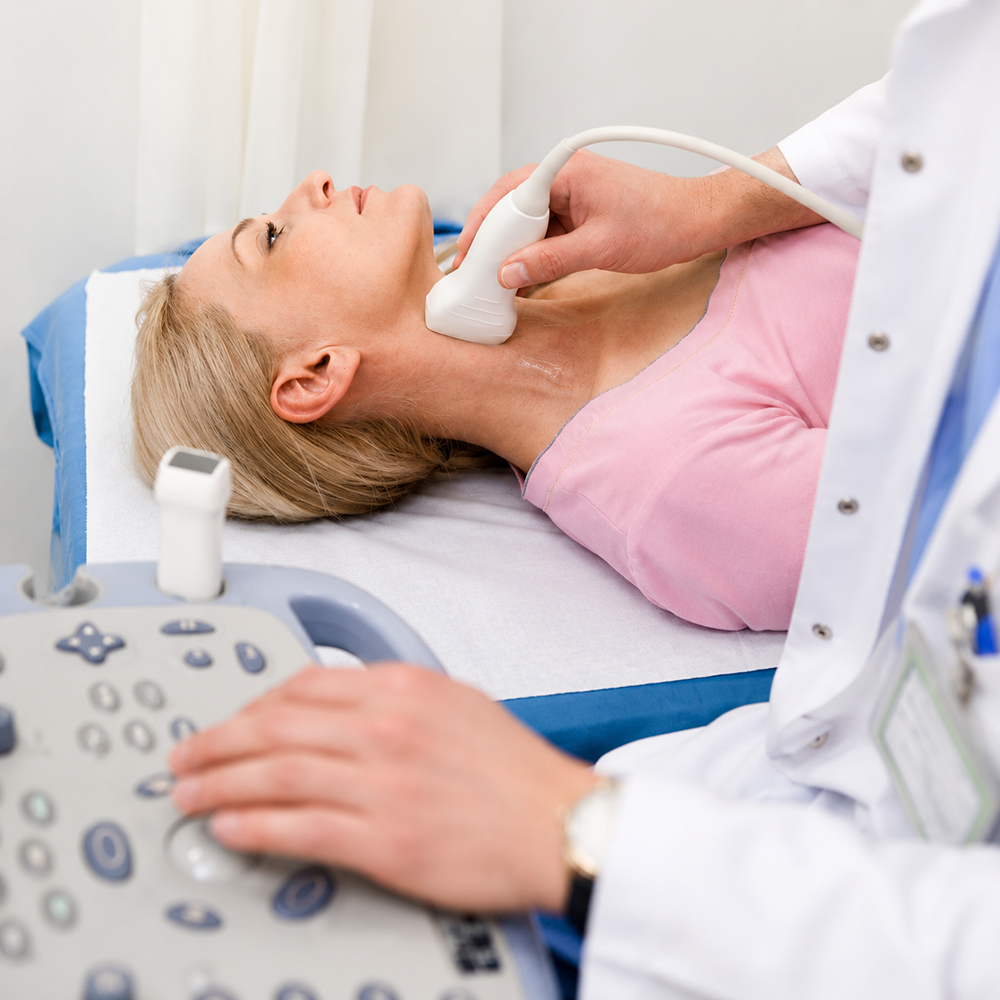
Carotid duplex ultrasound is the primary screening and diagnostic test, providing accurate measurement of stenosis degree and characterization of plaque morphology. CTA or MRA of the carotid arteries is performed when intervention is planned, providing anatomical detail of the carotid bifurcation, neck vessels, and intracranial circulation.

Carotid Disease Treatment Options

Carotid Endarterectomy (CEA)

CEA is the gold-standard surgical treatment for symptomatic and high-grade asymptomatic carotid stenosis. The surgeon makes a small incision in the neck, opens the carotid artery, and removes the plaque under direct vision. CEA has been proven in landmark randomized trials to reduce stroke risk by 50–65% in symptomatic patients with stenosis greater than 50% and in asymptomatic patients with stenosis greater than 60–70%.

Transcarotid Artery Revascularization (TCAR)

TCAR is an innovative, minimally invasive technique in which a small incision is made at the base of the neck. The carotid artery is accessed directly and blood flow is temporarily reversed — away from the brain — using a specialized flow-reversal system that captures any debris dislodged during stent placement before it can travel to the brain. TCAR offers the stroke-risk protection of CEA with the minimal invasiveness of a catheter-based approach and is preferred for high-surgical-risk patients.

Carotid Artery Stenting

Carotid stenting is a catheter-based procedure performed via access in the groin. A stent is deployed within the narrowed carotid artery to scaffold the vessel open. It is an appropriate option for patients with anatomy or comorbidities that make CEA or TCAR high risk. Embolic protection devices are used to capture debris during the procedure.

SYMPTOMS

  • Often asymptomatic until TIA or stroke occurs
  • Transient ischemic attack (TIA): sudden weakness, speech difficulty, or vision changes lasting less than 24 hours
  • Stroke: TIA symptoms that do not resolve
  • Audible carotid bruit on physical examination
  • Amaurosis fugax (temporary loss of vision in one eye)

DIAGNOSIS METHODS

  • Duplex Carotid Ultrasound +

    First-line imaging — quantifies stenosis degree and plaque characteristics at the carotid bifurcation.

  • CT Angiography +

    Provides detailed anatomy for surgical planning — preferred pre-CEA or pre-TCAR.

  • MRI Angiography +

    Non-contrast alternative with excellent soft-tissue detail.

  • Catheter Angiography +

    Reserved for complex cases or when non-invasive imaging is inconclusive.

TREATMENTS

RELATED CONDITIONS

FREQUENTLY ASKED QUESTIONS

  • If I have no symptoms, do I still need carotid surgery? +

    That depends on the degree of stenosis and your overall health. Patients with asymptomatic carotid stenosis greater than 60–70% who are good surgical candidates and have a life expectancy greater than five years benefit from CEA or TCAR. The decision is individualized — discuss your specific situation with our vascular surgeons.

  • What is TCAR and why might it be preferred over CEA? +

    TCAR (Transcarotid Artery Revascularization) is preferred when a patient has anatomical features making a traditional CEA incision difficult — high bifurcation, prior neck surgery or radiation, or contralateral carotid occlusion — or when the patient has medical comorbidities making general anesthesia higher risk. It can be performed under local or regional anesthesia.

  • How do I know if I have carotid disease? +

    Risk factors include age over 65, high blood pressure, smoking, diabetes, high cholesterol, heart disease, and family history of stroke. A carotid duplex ultrasound is a fast, painless, non-invasive test that accurately identifies significant stenosis. Ask your primary care doctor about carotid screening if you have multiple risk factors.