
Dr. Steven Silverman retired as of March 2026. Drs. Ulloa and Arosemena of Vascular Wellness Institute are now available and taking new patients. Same office, same friendly faces, and a new lens on your vascular care!

Medically Reviewed By:

2026-05-01

Lymphedema

Also Known As: lymphedema, lymph swelling, lymphatic insufficiency, arm swelling after breast cancer
Lymphedema is a chronic condition characterized by abnormal accumulation of protein-rich fluid in the soft tissues, causing persistent swelling — most commonly of the arm or leg. It results from damage to or obstruction of the lymphatic system, which normally drains excess fluid from tissues back into the bloodstream. Lymphedema is a lifelong condition requiring ongoing management, but with proper care, most patients achieve excellent symptom control and maintain a high quality of life.


Lymphedema causes swelling — usually in an arm or leg — that does not go away on its own. It happens when the lymphatic system, which drains excess fluid from your tissues, is damaged or blocked. This is most often seen after cancer treatment that involves lymph node removal, but it can also happen after infections or trauma. There is no cure for lymphedema, but with the right management it can be well-controlled so it does not run your life.

Types of Lymphedema

Primary lymphedema results from congenital abnormalities in the lymphatic system and may present at birth, during puberty (lymphedema praecox), or in adulthood. Secondary lymphedema — far more common — develops after damage to the lymphatic system from surgery (particularly cancer surgery with lymph node removal), radiation therapy, infection (filariasis in tropical regions), trauma, or chronic venous disease.

Lymphedema Symptoms

Lymphedema presents as a persistent, pitting or non-pitting swelling of an extremity that does not fully resolve with elevation. Early-stage swelling is soft and reversible; over time the tissue becomes fibrotic and harder. Patients experience a feeling of heaviness, tightness, or fullness in the affected limb, reduced range of motion, aching, and recurrent skin infections (cellulitis) — which further damage the lymphatics and worsen swelling.

Lymphedema Diagnosis

Diagnosis is primarily clinical, based on the history and physical examination. Imaging with lymphoscintigraphy or indocyanine green (ICG) lymphography can map lymphatic flow and identify areas of obstruction or dysfunction. Differentiating lymphedema from venous edema (such as DVT or chronic venous insufficiency) is important, as the treatments differ significantly.

Lymphedema Management in Sarasota & Bradenton

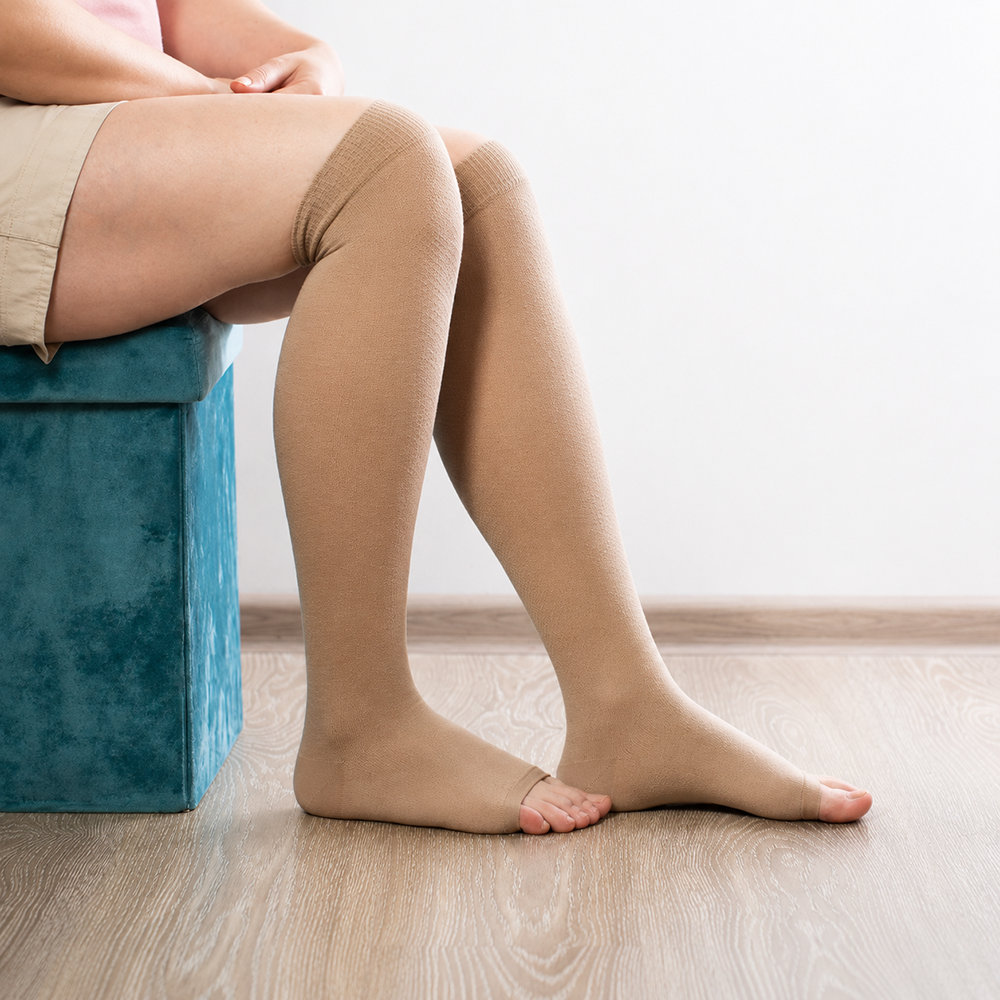
The cornerstone of lymphedema treatment is Complete Decongestive Therapy (CDT) — a comprehensive program combining manual lymphatic drainage (MLD) massage, multilayer compression bandaging, therapeutic exercise, and meticulous skin care. Certified lymphedema therapists guide patients through an intensive treatment phase followed by a maintenance phase using compression garments. Our vascular team coordinates with lymphedema therapists throughout Sarasota and Bradenton to ensure integrated care.

For carefully selected patients with early-stage lymphedema, microsurgical procedures such as lymphaticovenous anastomosis (LVA) — in which small lymphatic channels are surgically connected to nearby venules to create a bypass for trapped fluid — offer the possibility of lasting improvement. Our surgeons evaluate each patient to determine whether surgical intervention may be beneficial.

SYMPTOMS

  • Persistent, progressive swelling of the arm or leg that does not fully resolve with elevation
  • Feeling of heaviness, tightness, or fullness in the affected limb
  • Reduced range of motion in the affected extremity
  • Recurrent skin infections (cellulitis)
  • Skin thickening or leathery texture in advanced disease
  • Aching or discomfort in the affected limb

DIAGNOSIS METHODS

  • Clinical Examination and History +

    Diagnosis primarily based on history of lymph node surgery/radiation and characteristic physical findings.

  • Lymphoscintigraphy +

    Nuclear medicine imaging that maps lymphatic flow and identifies obstruction or dysfunction.

  • ICG Lymphography +

    Advanced imaging with indocyanine green dye to detect early lymphatic insufficiency.

  • Duplex Venous Ultrasound +

    To differentiate lymphedema from DVT or chronic venous insufficiency — important because treatments differ significantly.

TREATMENTS

RELATED CONDITIONS

FREQUENTLY ASKED QUESTIONS

  • Is lymphedema curable? +

    Lymphedema is a chronic, progressive condition that currently has no cure, but it is highly manageable. With consistent use of compression garments, regular lymphatic drainage, skin care, and exercise, most patients achieve and maintain excellent limb reduction and prevent complications.

  • I had breast cancer surgery. When should I be evaluated for lymphedema? +

    Any new swelling of the arm, hand, or chest wall following breast cancer treatment should be evaluated promptly. Early-stage lymphedema is significantly easier to manage than advanced disease. We recommend evaluation within two weeks of noticing new or persistent swelling.

  • What makes lymphedema worse? +

    Factors that worsen lymphedema include heat (including hot tubs, saunas, and prolonged sun exposure — particularly relevant in Florida), infections, flying, obesity, inactivity, and tight clothing or jewelry on the affected limb.

  • Does lymphedema affect both legs or just one? +

    Lymphedema most commonly affects one limb asymmetrically. Bilateral leg swelling is more often associated with systemic causes such as heart failure, kidney disease, or venous insufficiency, and warrants evaluation to distinguish the cause.